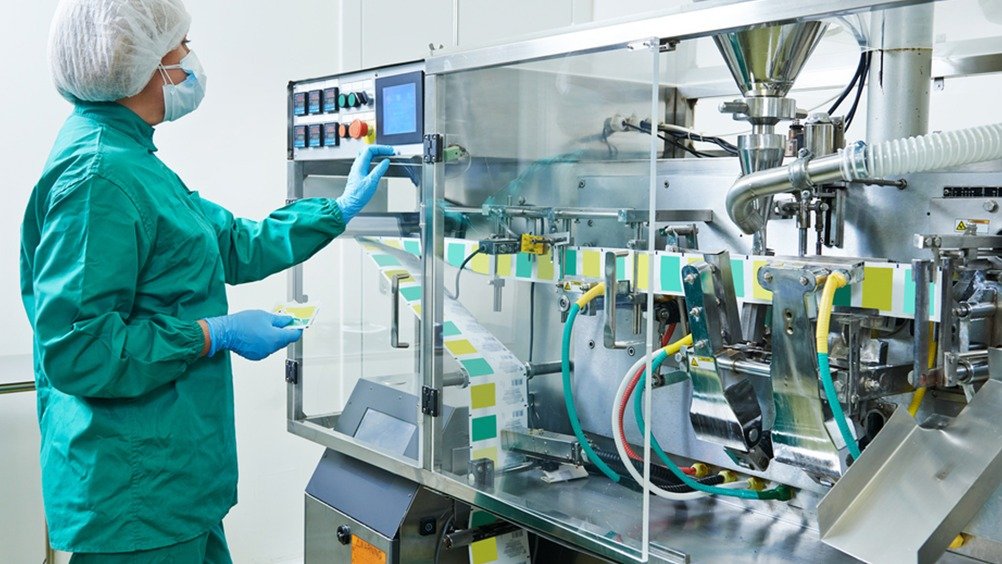
The pharmaceutical industry is on a crossroad where conventional production and the new technology converge. Automation in pharma industry operations has evolved from a competitive advantage to an operational necessity. The modern pharmaceutical companies are under pressure today as never before to be more precise, compliant with the regulations of the industry, and to be able to produce on a larger scale. These challenges have positioned automation in pharma industry systems as fundamental infrastructure rather than optional enhancements.
The transformation happening across manufacturing floors worldwide reflects a deeper understanding of how automation in pharmaceutical industry applications directly impact product integrity and operational excellence. The executives of manufacturing understand that manual processes will bring in those variables that automated systems will completely remove. This shift toward comprehensive automation in pharma industry adoption has fundamentally changed how pharmaceutical companies approach production planning, quality assurance, and regulatory compliance.
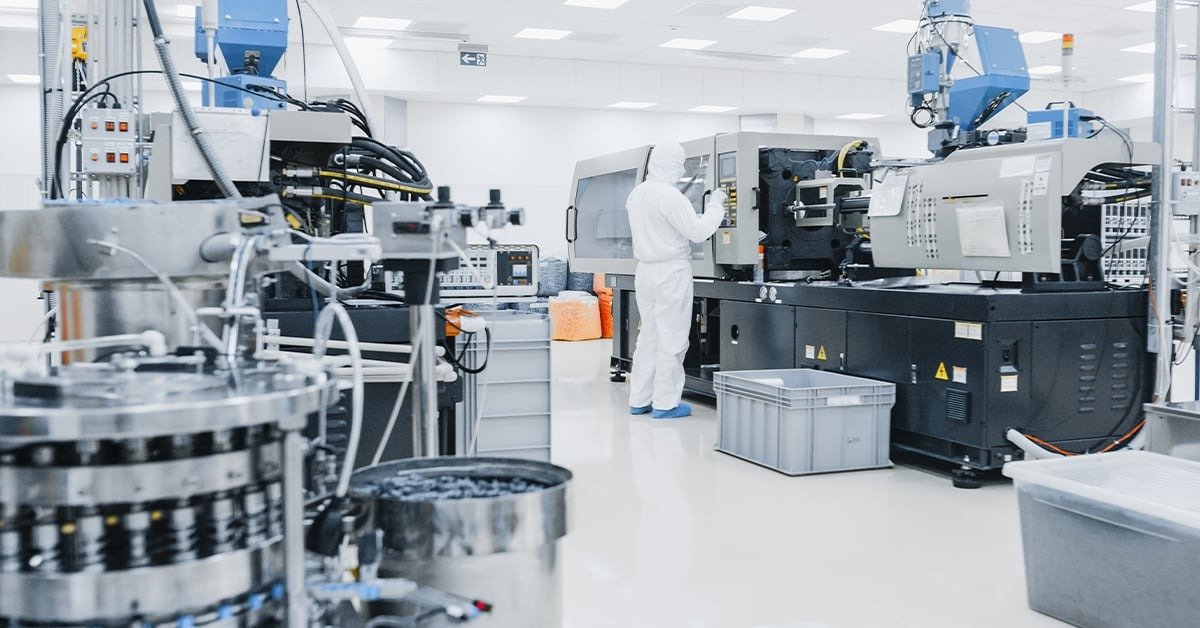
The Business Case for Pharmaceutical Manufacturing Automation
Addressing Critical Manufacturing Challenges
Pharmaceutical manufacturers face unique operational pressures that make automation in pharma industry systems essential. Regulations organizations ensure that there is complete consistency in manufacturing drugs. The batches should all be of the same specifications despite their time of production, place, or a change in the personnel. The processes that are carried out manually create human variability, which negatively affects batch to batch consistency. Automation in pharmaceutical industry solutions eliminate these inconsistencies through precise, repeatable control mechanisms.
Pharmaceutical manufacturing leads to huge administrative burdens due to documentation requirements. The compliance requirement in the regulatory measures will entail meticulously documented records of all production factors, environment, and quality gateway. The conventional manual records taking systems absorb a lot of human resources and also add transcription errors. Advanced automation in pharma industry platforms automatically capture, timestamp, and store all relevant production data in formats that satisfy regulatory audits.
Quantifiable Operational Improvements
Manufacturing facilities implementing comprehensive automation in pharma industry programs report dramatic productivity gains. Automated systems are always working, and the performance does not even diminish due to fatigue. Production lines also have stable levels of production during the different shifts, optimum use of equipment. Automation in pharmaceutical industry deployments typically increase throughput by 30-50% while simultaneously reducing defect rates.
Quality metrics improve substantially when manufacturers embrace automation in pharma industry technologies. Automated inspection systems detect anomalies that escape human visual inspection. Vision systems examine every product unit at speeds impossible for manual inspectors. These automated quality checks ensure only conforming products reach distribution channels. Furthermore, automation in pharma industry implementations reduce waste by catching quality issues earlier in production processes.
Core Technologies Driving Pharmaceutical Automation
Process Control and Monitoring Systems
Modern automation in pharmaceutical industry architectures center on sophisticated process control systems. The programmable logic controllers (PLCs) control essential manufacturing processes with a precision of milliseconds. These types of controllers control temperature, pressure, mixing speeds among other factors that define the quality of a product. Multi-PLC coordination Provisions Distributed control systems (DCS) manage the coordination activities of a complex manufacturing plant, and they combine multiple hardware units (PLCs). The integration of these technologies exemplifies how automation in pharma industry solutions create unified production environments.
Industrial automation drives form another crucial component of automation in pharma industry infrastructure. Variable frequency drives (VFDs) offer accurate control of pumps, mixers, centrifuges, and conveyors by the motor. These drives are dynamic in nature and vary the motor speeds according to the process needs. The current VFDs are linked to central control systems, which coordinate the work on manufacturing lines. This level of integration demonstrates how automation in pharmaceutical industry systems optimize energy consumption while maintaining production precision.
Data Collection and Analysis Infrastructure
Supervisory control and data acquisition (SCADA) systems represent the intelligence layer in automation in pharma industry deployments. SCADA platforms gather real-time information about hundreds of sensors located at manufacturing premises. such systems will display operational information using user-friendly dials that assist operators to recognize problems before they affect production. The ability to analyze the historical data allows enhancing the processes continuously. The analytical power of SCADA exemplifies how automation in pharmaceutical industry implementations transform raw data into actionable insights.
Manufacturing execution systems (MES) are an addition to SCADA, but they handle the production processes during the receipt of raw materials until the release of finished products. These systems plan production runs, operate batch genealogy, organize quality tests, and control compliance with regulations. MES systems are also used to align business with production by connecting with enterprise resource planning (ERP) systems. This integration showcases how automation in the pharma industry extends beyond shop floor equipment to encompass entire manufacturing organizations.
Quality Assurance Automation
The quality control in the pharmaceutical manufacturing has been revolutionized by automated inspection technologies. Tablets, capsules, along with packaging are examined by the vision systems at the production rates and this is done to identify any defects that cannot be seen by the human inspectors. X-ray checking machines check the fill levels and uncovered contaminants in sealed on-board containers. These quality systems embody how automation in pharmaceutical industry protects brand reputation while ensuring patient safety.
Laboratory automation represents another critical dimension of automation in pharma industry implementations. Hundreds of samples of quality control are processed daily by automated sample handling systems. Robotics are used to prepare samples and dispensed reagents and present specimens to analyzers. These automated processes minimize the time required to process a sample to hours and remove manual mistakes. Combination with laboratory information management systems (LIMS) produces full digital documentation of each and every quality testing operations.
Building Management Integration in Pharmaceutical Facilities
Environmental Control Systems
Pharmaceutical manufacturing requires precise environmental conditions that automation in pharma industry systems maintain continuously. The constant temperature, humidity and differential pressure is necessary in the clean room environment. The construction of automation systems also observes the environmental parameters based on the distributed sensor networks. These systems automatically turn HVAC equipment on or off to keep specifications irrespective of both external factors and internal heat loads.
Ability of energy management in building automation platforms will maximize utility use without undermining the key conditions in manufacturing. Smart automation in pharmaceutical industry systems analyze energy usage patterns and adjust equipment operation during off-peak hours. Such optimization techniques make operation costs very low and at the same time the pharmaceutical process environmental stability is ensured.
Facility Monitoring and Maintenance
Predictive maintenance capabilities represent significant value propositions for automation in pharma industry programs. Sensors of vibration track the critical equipment to create mechanical problems. Bearing issues can be monitored by means of temperature sensors to prevent devastating malfunctions. Such monitoring features allow maintenance groups to work on problems during scheduled outages instead of attending to the emergency failures. The reliability improvements from predictive maintenance demonstrate how automation in pharmaceutical industry extends equipment life while reducing maintenance costs.
Access control and security systems integrate with manufacturing automation to protect valuable pharmaceutical products. Automated systems track personnel movement throughout facilities, ensuring only authorized individuals access controlled areas. Electronic batch records automatically associate personnel identities with specific manufacturing operations, satisfying regulatory requirements for production documentation.
Regulatory Compliance Through Automation
Electronic Record Management
Electronic pharmaceutical manufacturing documentation systems have been adopted by regulatory agencies the world over. Automation in pharma industry platforms generate electronic batch records that capture every production parameter automatically. Such digital reports do not contain errors in transcription as manual documents do besides offering regulators with full histories of production. Audit trail feature traces all interaction by the system and provide clear documentation that can meet the most rigid regulatory standards.
Data integrity capabilities built into modern automation in pharmaceutical industry systems ensure records remain secure and unaltered. The authentication of important manufacturing decisions is furnished by the use of digital signatures. The entries are time-stamped to form chronological records of the events that occur during production. These security features demonstrate how automation in pharma industry technology addresses regulatory concerns while streamlining compliance documentation.
Validation and Qualification Programs
Pharmaceutical manufacturing is a huge investment in equipment qualification. Automation in pharma industry systems requires extensive validation to prove they operate as intended. The current automation systems come with set validation tools that record system performance during qualification exercises. These equipment take the form of automatic generation of reports that comes at a reduced time and cost of equipment qualification.
Continuous process verification represents an emerging regulatory paradigm that automation in the pharmaceutical industry enables effectively. Real time monitoring systems measure vital process parameters in real time as opposed to sample measurements taken periodically. Trends that show process drift are detected using statistical process control algorithms. This proactive approach to quality assurance exemplifies how automation in the pharma industry supports modern regulatory frameworks.
Implementation Strategies for Pharmaceutical Automation
Phased Deployment Approaches
Successful automation in pharma industry programs typically follow phased implementation strategies. Early time deployments involve processes in which automation provides instant benefit, either in the form of a quality increase or a cost decrease. Short term victories give the organization confidence as well as prove that there is a payback. Subsequent phases expand automation in pharmaceutical industry coverage to additional manufacturing operations.
Integration planning proves critical for automation in pharma industry success. The present-day pharmaceutical plants work with a variety of equipment, provided by multiple manufacturers. Typical communication standards allow different systems to communicate effectively. The open platform communications (OPC) standards enable communication between the business software and control systems. This interoperability ensures automation in pharma industry investments deliver maximum value through unified operations.
Training and Change Management
Workforce development programs ensure personnel can operate and maintain sophisticated automation in pharmaceutical industry systems. Comprehensive training addresses both technical operation and regulatory compliance aspects. Simulation environments allow operators to develop proficiency without disrupting production. Ongoing education programs keep personnel current with evolving automation in pharma industry technologies.
Change management initiatives address the organizational transformation that comprehensive automation in pharma industry programs require. Clear communication about automation objectives helps personnel understand how technology enhances their roles rather than replacing them. Involving operations staff in automation planning creates buy-in while leveraging their process knowledge.
Future Directions in Pharmaceutical Automation
Advanced Analytics and Artificial Intelligence
Artificial intelligence integration represents the next evolution of automation in pharma industry systems. Machine learning models refer to huge historical data to find the optimal process parameters. Predictive analytics involves predicting equipment failures days or weeks beforehand. These advanced capabilities demonstrate how automation in pharmaceutical industry continues evolving beyond traditional control systems.
Digital twin technology provides virtual similes of the manufacturing processes, which allow experimentation without risks. Before making changes into the production, engineers can be able to test process variations in the digital settings. This is because the ability can expedite optimization of processes as it removes production trial risks. Digital twins exemplify how automation in pharma industry leverages computational power to improve operations.
Flexible Manufacturing Systems
Modular manufacturing approaches enabled by flexible automation in pharmaceutical industry platforms allow rapid changeovers between products. The automated equipment adjusts itself to various formulations by changing software and not by mechanical changes. This flexibility aids the pharmaceutical companies to react fast to market needs and retain high rates of equipment utilization.
Conclusion
Automation is a mechanism adopted by the pharmaceutical industry that is indicative of basic shifts in the philosophy of production. Automation in pharma industry implementations have progressed from isolated equipment improvements to comprehensive integrated systems that manage entire manufacturing operations. Modern pharmaceutical facilities rely on sophisticated automation in pharmaceutical industry infrastructure to ensure product quality, maintain regulatory compliance, and achieve operational efficiency. The technologies mentioned in the previous paragraphs, system of process control, data analytics platforms, automation of quality assurance, and integration of building management, can be combined to provide the manufacturing environment, which complies with the requirements of pharmaceutical production of the twenty-first century. Organizations that successfully implement automation in pharma industry programs position themselves for sustained competitive advantage in an increasingly complex regulatory and business environment.
IET has been in operation in East Africa offering a wide range of automation solutions to industries in the region for over 75 years. Drives, motor control systems, building management platforms, and industrial automation lead to our expertise in providing pharmaceutical manufacturers with the strong platform or infrastructure they require. We come up with, assemble and install entire automation systems that respond to the special needs of the pharmaceutical facilities. Our technical team understands the regulatory requirements driving automation in pharmaceutical industry adoption and delivers solutions that satisfy both operational and compliance objectives. Contact IET today to discuss how our industrial automation capabilities can transform your pharmaceutical manufacturing operations.
Leave a Reply