Proper forecasting of construction costs is crucial to every senior project managers. Understanding the true crane hire cost goes far beyond a simple quoted daily rate. It includes an elaborate matrix of complicated variables. Such variables include equipment specification to site logistical issues. Experienced professionals need to be very knowledgeable in this calculation. Budgetary accuracy and project success is guaranteed by a thorough breakdown. This will be a in-depth discussion of all the factors that determine your ultimate spending.
Good management of costs begins with careful pre planning. Engineers and directors must recognize the complexity of crane rental cost structures. Calculation of these variables in the wrong way results in unexpected overruns of the project. Each and every project has distinct lifting requirements. What is needed is entirely determined by these demands and dictates the kind of machinery as well as its dimensions. This decision is very crucial and it is the foundation of the financial analysis. A shift between theory and practice must be accompanied by knowledge of the industry.
The specialist heavy lifters market is dynamic. Factors like regional demand and fuel prices constantly shift the baseline crane hire cost. There is also complexity added by the regulatory environment in various territories. The industrial environment of East Africa, such as, has its own transport problems. Accordingly, local logistics is the most critical aspect to get informed to budget with accuracy. Finally, accuracy in planning will translate to a high level of savings in operations.
The Foundation of Crane Hire Cost: Equipment Specification
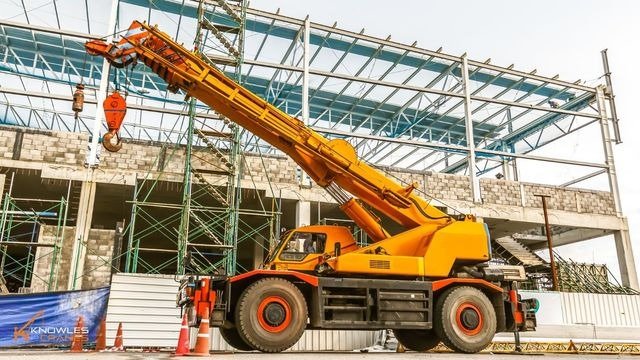
The first consideration is the kind of crane needed and the capacity that is necessary. It sets a foundation price of the whole operation. Higher lifting capacities correlate directly with higher crane hire rates. The specialized controls such as gigantic crawler cranes are by their very nature more expensive than regular portable mobile controls. Project viability is dependent on the choice of right machine to use. Over-specifying a crane unnecessarily inflates the crane hire cost.
Crane Type and Capacity
The sheer mechanical capability of the crane drives its price. A compact carry deck crane has a dramatically lower cost profile. Conversely, a high-capacity all-terrain crane demands a premium rate. The tonnage capacity determines the engineering complexity and maintenance needs. Heavier lifts necessitate larger booms and more substantial counterweights. These features significantly increase the initial crane hire cost. Therefore, precise load analysis is essential before making any selection.
Every crane is designed for a specific operational niche. Mobile cranes offer versatility across various job sites. Tower cranes, however, dominate high-rise urban construction projects. Their complex erection process adds significantly to the overall price. The specialized nature of these machines warrants careful budgetary consideration. Never compromise safety by choosing an undersized crane. This short-sighted saving can lead to catastrophic financial losses.
Age and Technology of the Fleet
Modern cranes are mostly fitted with modern technology. Such features as optimized load charts and telematics enhance efficiency. These technological advantages can sometimes justify a higher crane hire cost. In the instance of modern cranes, they are usually more fuel efficient. Other advantages include reduced downtimes because of machine reliability. Older equipment might offer lower crane rental cost upfront. Nevertheless, it is associated with more frequent risks of unforeseen breakdowns.
The crane fleet quality indicates the concern of the supplier with safety. Properly maintained equipment reduces downtimes in work areas. Probably the most important concern is reliability in keeping the project schedules tight. Always ask what is the certification and history of the equipment with regards to its service history. A high-end provider spends a lot of money on the modernization of a fleet. This investment ultimately reduces the total effective crane hire cost for the client.
Wet Hire vs. Dry Hire Models
Project managers should be able to draw a line between dry and wet hire arrangements. The term dry hire only entails hiring of the equipment itself. It is then the role of the client to supply a certified operator. This model usually yields a lower daily crane hire per day figure. It is appropriate in the case of long-term projects where they have committed, in-house operational teams.
Wet hire encompasses the crane and a certified and professional operator. The provider takes care of the operational liability and insurance of the crane. This choice is normally desired when making complex or short lifts. Although overall crane hire costs might seem expensive, the service has qualified personnel. It reduces the operational risk to the client significantly. The benefit of the peace of mind that is provided by the wet hire can oftentimes offset the nominal cost increment.
Logistical Variables and Site Conditions
The distance of the crane between the depot and the site is one of the big factors. Transportation and setup costs can unexpectedly inflate the total crane hire cost. Complicated or far off destinations require logistical planning. These fees are often billed separately from the base rental crane hire per day. Proper site surveys are important in reducing these logistic variables.
Mobilisation and Demobilisation Fees
Large cranes cannot simply drive onto a job site like a normal vehicle. They often require multiple heavy transport vehicles for components. Mobilisation involves the assembly of the crane on the construction site. Demobilisation is the reverse process upon job completion. These are substantial, non-negotiable elements of the crane rental cost. Factors like road access and local traffic regulations affect these charges.
The distance from the supplier’s depot directly impacts transport fees. Greater distances mean higher fuel, time, and labour costs for the logistics team. Specialized police escorts may be necessary for oversized loads. This is particularly true for tower crane hire cost per day installations in dense urban areas. Always clarify these costs upfront to prevent surprises in the final invoice. Unexpected delays during transport can also lead to higher crane hire per hour rates.
Site Accessibility Challenges
A well-laid site that is conveniently located and large in size will make the whole process easier. The limited urban areas pose great logistical challenges. The small size of the crane is required due to narrow gateways or overhead barriers. These specialized units, although smaller, might command higher crane hire rates. The planning of routes and elimination of temporary barriers are forced to become careful actions.
The space to deploy outriggers is limited making it more complex and risky. Special ground support/matting is often necessary in these situations. The use of supplementary equipment raises the overall crane hire cost. The crane provider cannot compromise on a comprehensive site inspection. This avoids last minute surprises which may bring on unwanted costly delays. Prepare the location before the crane comes into a clear site.
The Impact of Ground Conditions
Safety of crane operation lies in stable ground. Embedded or loose land necessitates the preparation work. This can be through special steel mat or timber cribbing. These preparations are necessary to distribute the crane’s immense weight. The cost of these materials and labor is added to the crane hire charges.
Bad ground conditions could require a variation of crane. To illustrate this, a heavy crawler crane will do a better distribution of pressure on the ground. Choosing this specialized machine changes the baseline crane hire cost significantly. It is safe but requires a bigger share of the entire budget. You should always take the cost of ground stabilization measures into consideration. This aspect commonly causes people to disregard expenditures.
Duration, Scheduling, and Crane Hire Charges
Probably the most significant change in the pricing model is the duration of the rental period. Crane hire firms normally have stratified pricing systems. Longer commitments often benefit from reduced daily or weekly crane hire rates. This structure rewards those projects having a long scheduling and usage. To achieve maximum benefit, however, time has to be estimated accurately.
Short-Term vs. Long-Term Rates
Short-term hires, such as a single day or a few hours, incur a higher effective rate. The mobilization costs are amortized over a very brief rental duration. This makes the crane hire per day appear disproportionately high. Short jobs must be executed with flawless efficiency to justify the initial outlay. Planning every lift minute by minute is absolutely essential.
Long-term contracts offer substantially better value per operational day. A monthly crane rental cost typically includes a reduced daily average. This incentivizes clients to commit to longer durations. However, a long-term contract requires a high certainty of crane utilization. Unused days within a contract period represent wasted capital expenditure. Careful scheduling is the key to maximizing these agreements. This is how you optimize your overall crane hire cost.
Understanding the Minimum Crane Hire Per Day
Most providers impose a minimum charge, often a full-day rate. This minimum applies even if the crane is only needed for a few hours. This policy ensures the company recoups the fixed mobilization costs. Understanding this minimum crane hire per day is essential for scheduling. It prevents the financial illusion of a quick, cheap job.
In the case of very small work, ask about half-day or special rates. There are regional firms that provide the flexible opportunities in regards to routine maintenance elevations. The average day rate charge is however expected to be a minimum. This is a common feature across all crane rental cost structures globally. The minimal billing increment should always be clarified whenever signing any contract. Failure to do so impacts the true crane hire cost.
Premium for Off-Peak Operations
There are occasions when construction projects involve an out-of-business work. Night lifts, weekend lifts, and public holidays lifts charge premiums. This is necessary to cover the higher labor crane hire rates for specialized personnel. It might be required that the lifts that are critical should be scheduled during off-peak times in order to be safe. It may be necessary to reduce traffic congestion in congested locations.
This necessary scheduling choice significantly increases the total crane hire cost. Night work may also require additional lighting and safety precautions. Therefore, account for this costs in the budget. Always factor in these premium rates when planning critical lifts. It is a critical component of determining how much does it cost for crane hire.
Calculating Crane Hire Per Hour for Quick Lifts
Although daily rates are usual, the computation behind it is usually on an hourly basis. The price of the crane hire per hour is known which gives finer control over the expenditure. This rate applies best to tasks that are accurate and short term. As an illustration, it could be only two hours to lift one piece of heavy equipment. Nonetheless, the client is charged with the lowest minimum rate per day.
Negotiating an explicit crane hire per hour rate may be possible for frequent short jobs. This often depends on the overall volume of business a client provides. It is less common for one-off projects requiring significant setup time. Understanding the hourly rate helps quantify the productivity of the crew. Minimizing idle time is vital to reducing the total crane hire cost.
Operational Complexity and Personnel
The complexity of the lift directly influences the price of the service. Highly technical lifts require specialized planning and execution. This increased requirement translates directly to higher operational crane hire charges. The composition of the required personnel also significantly impacts the overall bill. You are paying for expertise, not just for the machine itself.
Specialized Lifting Requirements
Some projects involve non-standard lifting geometries or extremely heavy components. Lifting equipment in confined spaces demands exceptional operator skill. These conditions necessitate higher crane hire rates due to the added risk. Such lifts often require comprehensive, detailed engineering studies beforehand. The cost of these preparatory studies is typically passed on to the client.
A specialized project might demand a unique type of rigging equipment. This can include custom spreader bars or specialized lifting beams. This auxiliary gear is not included in the standard crane hire cost. Working over existing structures or live facilities also increases complexity. Such delicate operations require the highest level of professional expertise. This expertise is reflected in the final crane rental cost calculation.
Labor and Expertise Costs
The crane operator should be of high quality and certified. Highly experienced operators command premium crane hire rates. They are skilled and, therefore, fast and safe in the complicated actions. Others who are part of the crew are the riggers and signal persons. These people play a crucial role in ensuring safety of all the lifts.
The type of crane and its size determines the required size of the crane crew. The presence of a large mobile crane requires a large crew. The associated labor costs form a major portion of the crane hire cost. Never compromise on the full certification and adherence to regulations by the various personnel. The level of high-quality labor greatly decreases the chances of the expensive errors. Poorly implemented lifts will postpone the projects heavily.
Auxiliary Equipment and Attachments
There are a great number of lifts that need certain attachments in order to properly take the load. These can be man baskets, pallet forks or application skips. These auxiliary items are hired on an individual basis. They are not covered by the base crane hire per day rate. Attention must also increase expenditures by the need to have counter-surveillance to countermeasures.
Always specify all lifting accessories needed during the initial quote phase. Underestimating these requirements can lead to on-site delays. Delays quickly translate into unforeseen crane hire charges. Planning the lifting methodology rigorously avoids these issues. The cost of this additional equipment is a small price to pay for safety. It contributes to a well-managed and accurate total crane hire cost.
Permits, Compliance, and Safety
Adhering to local safety standards is not a bargain when it comes to projects. Cities usually have special permissions to operate cranes. Such permits include road closures and traffic control. The process of obtaining these permits adds administrative crane hire charges. Inability to obtain requisite permits may cost a lot of fines and time.
Site safety compliance is monitored constantly by project teams. The crane rental cost must account for all safety documentation requirements. This includes lift plans, risk assessments, and insurance provisions. Reputable suppliers ensure their equipment and crews meet all regulatory criteria. A compliant operation is a predictable and financially stable operation. This transparency is crucial when assessing how much does it cost for crane hire.
Total Cost Calculation and Budgeting
Synthesizing all these factors provides a true estimate of the total expenditure. The final figure goes far beyond the initial quote for the equipment. It represents the comprehensive cost of a safe, compliant, and efficient lifting solution. Professionals must adopt a holistic view of the total crane hire cost. Only then can projects be executed within their financial parameters.
Case Study: Tower Crane Hire Cost Per Day
Consider a high-rise construction project in a capital city. This specific job demands the use of a large tower crane. The tower crane hire cost per day is significantly higher than other types. This rate covers the immense size and complexity of the machine. It is a necessary expense for vertical construction challenges.
The initial mobilisation involves several weeks of specialist work. Transporting the disassembled segments requires extensive police escorts. We also factor in the cost of foundation preparation initially. Furthermore, we apply the daily crane rental cost for a duration of eighteen months. Even with a discounted long-term rate, the total investment is substantial. The height and duration requirements justify the tower crane hire cost per day.
Weekly maintenance checks are also mandatory in the rate. Specialists should equip themselves to ensure it constantly operates safely. We incorporate this cost into the overall crane hire per day structure. This particular breakdown is an important fact in budgeting urban projects. It illustrates why a deep analysis of how much crane hire costs is required. This level of detail upholds the financial controls.
Insurance and Liability Considerations
Insurance is a very important, but neglected part of the budget. The process of crane operation is associated with the damage or injury risks. The contract of rental should be clear on liability and insurance coverage. Further policy cover might have to be obtained by the client. This is particularly on the case of complex or high-value lifts.
The cost of this comprehensive insurance adds to the total crane hire cost. Do not expect the basic insurance of the supplier to take care of all the eventualities. It is strongly advisable to go through the terms of the liability agreement. This is done to defend the project against disastrous unexpected financial exposure. An open risk management is a sure way of making the project sustainable. This is important to all responsible project leaders.
Conclusion
Understanding the true crane hire cost is an exercise in comprehensive risk management. We have explained the combination of equipment type, logistics, duration and personnel. Variables like mobilization fees and specialized labor drive the final crane hire rates. Project success hinges on accurately forecasting these multifaceted crane hire charges. There must also be strict compliance and safety measures. This critical review offers a solid structure of financial accuracy.
In such special-purpose industrial and power transit projects, experience is a must. We have a very rich history in East Africa that simply gives us excellent knowledge and experience in the region. We are also providing custom electrical solutions, ranging all the way to advanced industrial automation. Our expert engineers offer the quality, stable controversy products that are required in complicated procedures, such as the lifting and change aspect of significant infrastructure works. Partner with us to ensure your project benefits from seven decades of localized expertise and a dependable supply chain.
Leave a Reply